
Pathfinder Professional Narratives is an ongoing series illuminating the career journeys and experiences of Research Professional Staff. You can see all of the posts in the series here.
This post is written by Dr Sarah McDonald, Biobank/Clinical Sample Manager, MRC-University of Glasgow Centre for Virus Research, University of Glasgow
Relevant academic and professional qualifications: BSc (Hons) Developmental Biology, University of Edinburgh 2003, PhD Reproductive Biology, University of Edinburgh 2008
Approximate salary bracket for this type of role: £41,064 to £46,049
Despite being what would probably be classed as ‘mid-career’ my career to date has largely been opportunistic and I still don’t know what I want to be when I grow up, so maybe I’m not the best person to be writing one of these blog posts! On the other hand, I’m definitely not the only person who feels or has felt that way, so here’s the story so far.
University, and beyond…?
In my late teens, all I knew was that I wanted to go to university, and specifically to study my favourite subject, biology. Coming from a fairly small school in a working-class area where higher education was more the exception than the norm, it seemed like I had everything sorted. I don’t think I, or any of the adults around me, really considered what that might lead to longer term.
During my undergraduate degree in Developmental Biology, I did two summer placements in research labs which I really enjoyed so was keen to stay in academia, however didn’t really feel like I knew what options were available to me. Like many, I almost defaulted into applying for PhD positions. With the benefit of hindsight, the thing I enjoyed was the working environment, collegiality, autonomy and the ‘big picture’ research more so than the specifics of my projects.
Immediately post-PhD my main priority was earning some money and getting some breathing space, so took the offer of a few months as a research technician in the same lab. That temporary contract led to another and so on, and at some point I realised that although I’d always felt out of my depth as a researcher I was much more suited to a Research Professional role, although it would be a long time before I first heard the term. Whenever I articulate that, or say that I wasn’t a very good researcher, I’m always told it’s impostor syndrome and to stop putting myself down. However, it was incredibly empowering to be able to own it and say to myself “ok I’m not great at research but, but I am good at the ‘behind-the-scenes’ work that enables the research”. Almost twenty years later, that realisation remains a significant part of my career journey and is a big part of why I feel it’s so important that Research Professionals get the respect and esteem they deserve.
From de facto manager to actual manager
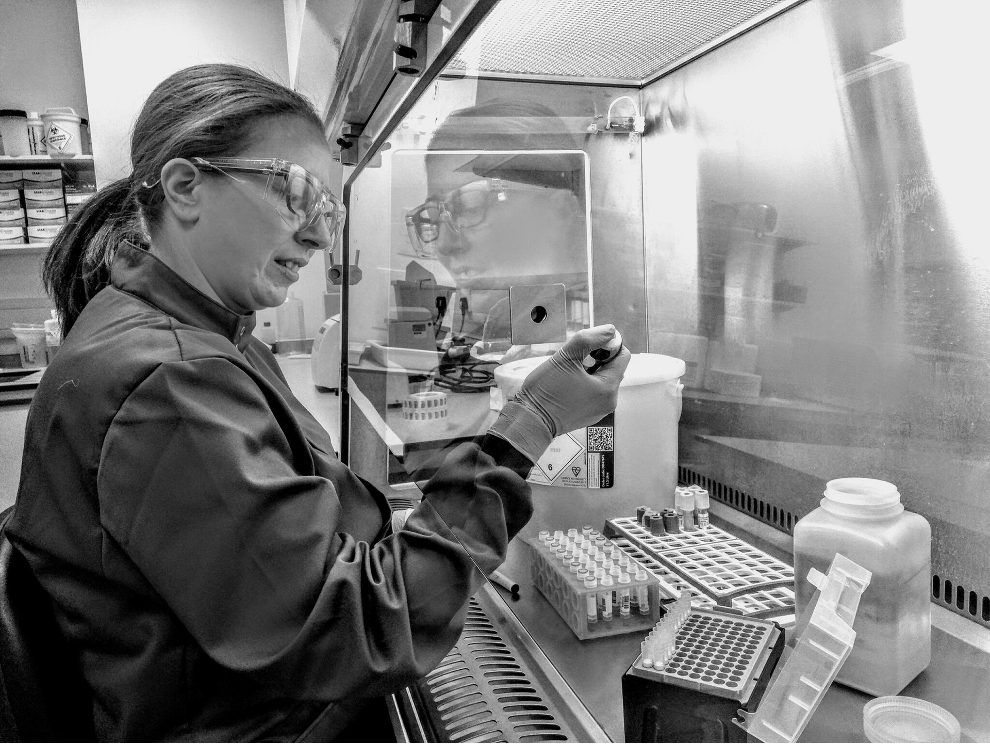
Four years of short-term contracts later I was acting as a de facto lab manager, collaborating with research nurses to coordinate and store clinical samples alongside lab work. A chance conversation with a colleague led me to stumble across an ad
vert for a job that felt like it could have been made for me. The role, to manage a biobank for HCV Research UK, a new UK-wide consortium being established and co-led at MRC-University of Glasgow Centre for Virus Research (CVR), was the ideal way to build on the experience I’d gained, moving away from experimental lab work and more into the management and coordination of sample receipt on a larger scale. I applied, feeling confident in my ability to do the job, but less sure I could actually get it. Apparently those concerns were unfounded, I was offered the job and moved over to Glasgow. At the time a three-year contract was significantly more than I’d ever had before so I didn’t hesitate in relocating. Almost fifteen years (of fixed-term contracts) later I’m still here, although the role is quite different now.
When I joined UofG I established, then later managed, and eventually closed out the HCV Research UK Biobank. Participants were recruited from around 30 sites across the UK and their samples shipped to our lab for processing, storage, curation and later distribution to researchers in academia and industry, both in the UK and internationally. I developed and oversaw the processes, managing a team of staff and working closely with our consortium partners. The success of the biobank is one of the things I’m most proud of in my career.
Pandemic research response
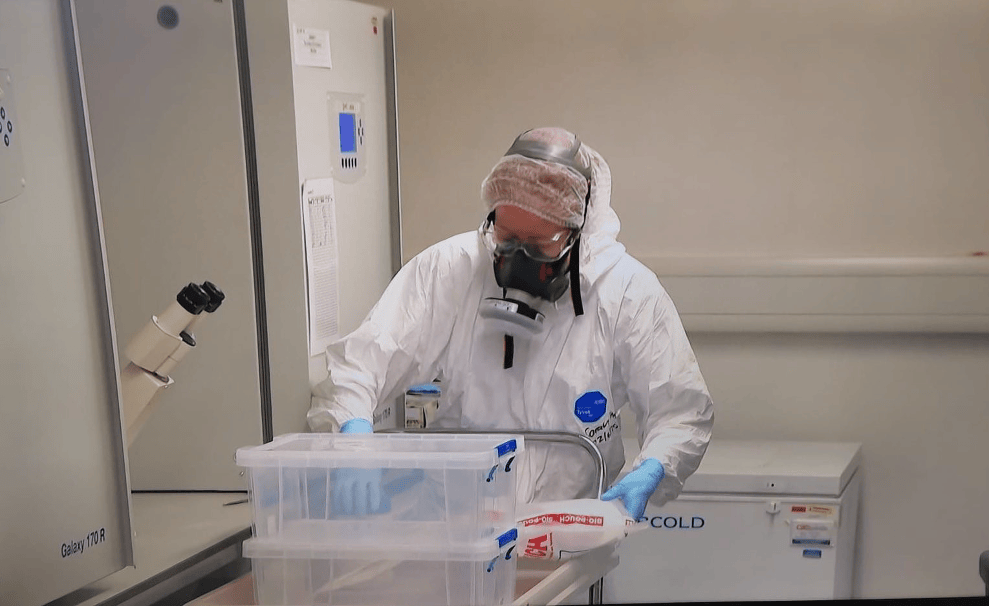
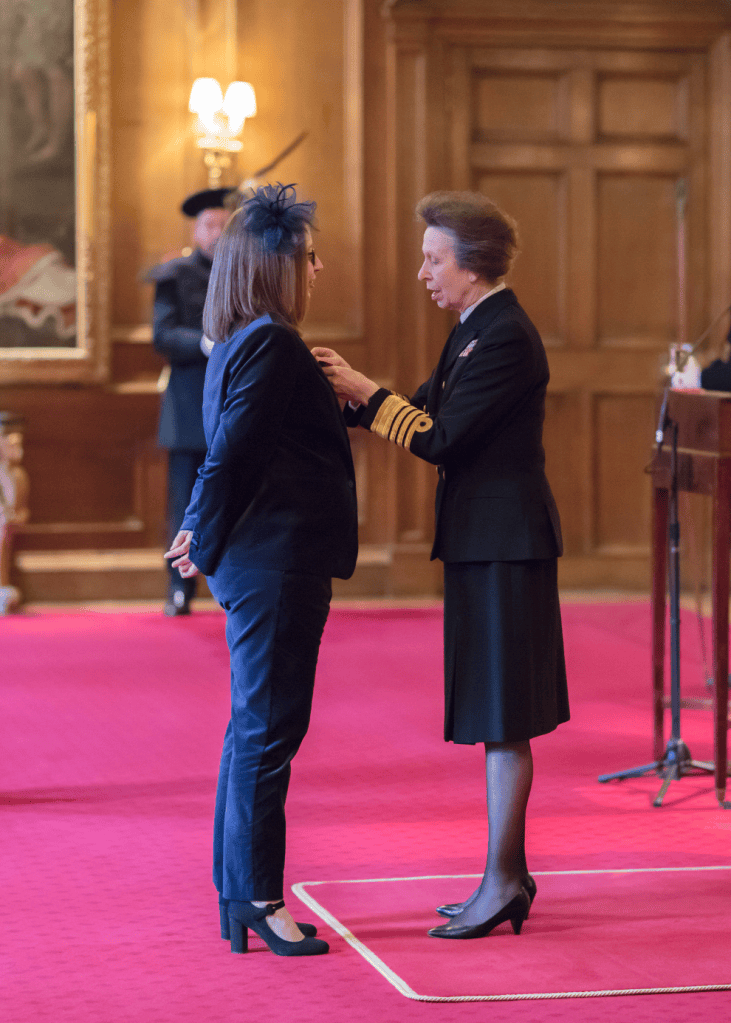
In late 2019, the role was naturally coming to an end and I was actively job-hunting (and wondering what I wanted to do next). I decided to accept a final 3-month contract extension that took me into early 2020, when suddenly we found ourselves living through a pandemic. Being a virology research centre, we at the CVR found ourselves at the centre of the research response and my skills were called upon to establish us as the designated ‘Outbreak Laboratory’ for Scotland within the ISARIC research consortium, and a new contract followed. I swiftly had to up-skill, learn to work in our full containment level 3 suite and adapt all my known processes for a new project. In October 2020, I was shocked to learn I’d been awarded an OBE for services to the COVID response as a result of this work. It felt (and still feels) very strange, as a kid growing up in Dumfries something like this was unimaginable. The CVR’s COVID-19 response was very much a team effort, but on a personal level it’s particularly nice to be recognised as a Research Professional.
Today and the future
Nowadays, I work more broadly across the CVR leading on our sample management system and helping research groups curate their samples effectively. I also sit within a research group and directly manage our own sample collections. Since COVID-19, I’ve also coordinated sample receipt and usage for outbreaks of hepatitis of unknown origin in young children, and from known contacts in the recent cruise ship hantavirus outbreak. I’m the manager of one of our derogated CL3 labs used for handling clinical samples, continually developing skills and knowledge, training users and ensuring safety standards are met.
In addition to my day-to-day work I chair the CVR’s Culture & Development Committee for Technical & Operations staff and am a member of the Research Professional Staff Network Executive Committee. I’m enjoying getting involved in events, expanding my network across the wider University and learning a bit more about what other Research Professionals do.
As for what comes next, who knows!
 The Auditorium: a research culture and researcher development blog