
Nick Bruce, Research Communications Officer, Research Services, University of Glasgow
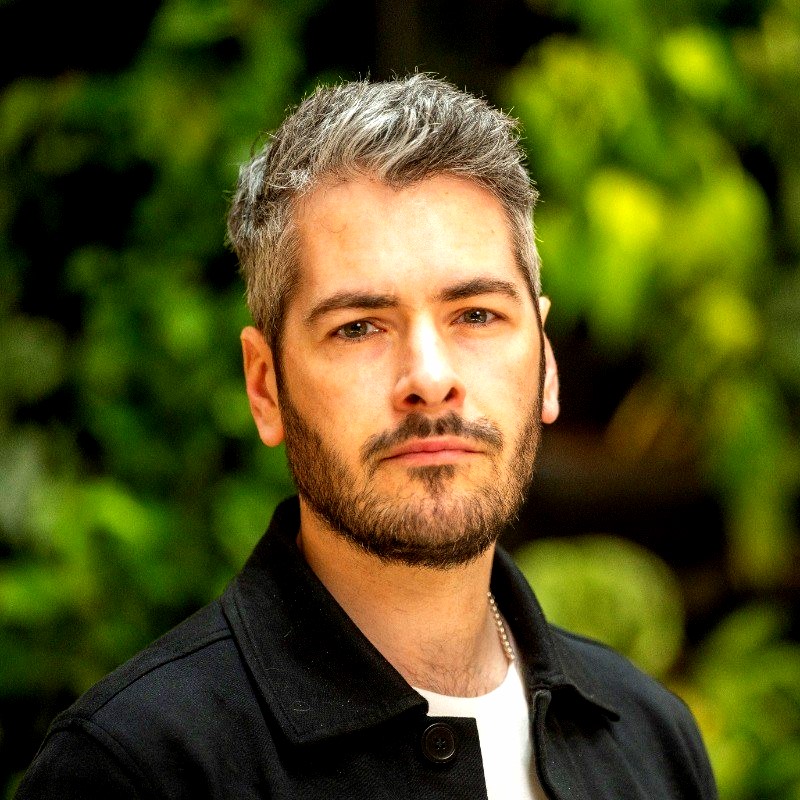
I have a chequered past. My school days were unfocused, and my higher education in performing arts was, though enjoyable, not the career launchpad I had hoped. In my twenties I found myself flitting between unskilled jobs – driver, waiter, bartender. When I got a job in a plush city centre hotel, my career began to evolve.
I learned the art of good customer service from seasoned hoteliers. I became an effective multi-tasker through necessity. In the front desk team, I planned important events and visits, managed difficult situations, and worked with diverse groups of people. I worked under pressure, met tight deadlines, and made the guests feel welcome. It was exhausting but strangely energising. One day, a senior colleague took me aside and asked whether I had considered a career in hotels. I looked up to him, so his belief that I could succeed was a significant and much needed confidence boost. Honestly, I hadn’t given my long-term prospects much thought, but the question had prompted me to think about what I valued in my work. I eventually decided that the long hours and constant high-pressure of hotels were incompatible with my desire for good work/life balance. Passion was the fuel needed to succeed at this level in hotels, and I just didn’t feel it was there.
Transition to Higher Ed
Leveraging my customer service experience, I got a receptionist position with the university’s accommodation team. I greeted students who needed help, reassured them, and worked to solve any issues they had. When tasked with writing a regular column for halls residents, I knew I wanted to write content that would connect with my target audience and boost engagement. The playful and humourous tone of the article connected with readers, who shared it organically, leading to it becoming the most-read article on the host website. I would love to say this helped me discover a passion for writing that led me into comms, but I’m a slow learner and it took a bit longer for me to get there.
I moved into an exciting new role in International Student Recruitment, where I continued helping people, now prospective students, providing service and advice. My hotel experience kept paying dividends as I used my people skills to counsel young international applicants. This role was about communicating clearly, guiding people through complex processes, and providing reassurance. I got comfortable handling a wide range of queries and liaising between different departments, stakeholders, and senior leaders. I travelled to exciting new countries and met some incredibly smart young people. I became the team’s go-to person for writing and creative projects, having grabbed early opportunities to add value with these skills. But I soon became dissatisfied.
I found the travel extremely draining. As an introvert, I struggled with the busy recruitment fairs and long days. Back in the office, I found myself answering the same queries and repeating the same tasks. Sporadic creative projects brought me fulfilment and variety, but they were not considered part of my role.
Persistence
I went through 10 interviews for marketing and communications related jobs over the of the next two years, often getting as far as ‘reserve candidate’. It was frustrating because I knew I had transferable skills, but without direct marketing or communications experience, other candidates consistently outqualified me. I would spend hours preparing and explaining how my experience in student recruitment was relevant, but I always fell short of that coveted ‘preferred candidate’ spot. At this point, I had two choices: either to keep trying with the experience I had or to actively improve my qualifications. I chose the latter.
Building new skills
I decided to take my career development into my own hands. I studied independently with the Chartered Institute of Marketing (CIM) and earned a Professional Certificate in Digital Marketing. It was a tough period full of rejection and much soul-searching, but it reinforced the idea that growth sometimes requires a proactive approach. Looking back, the challenge was a blessing in disguise, as it pushed me to learn new skills, which have been invaluable in my current role. Eventually, I got lucky. A research communications manager saw an opportunity to bring my skillset into their team and made it happen. Through each of my previous roles, I’d identified and taken forward the skills I wanted to build on. Communications, problem-solving, organisation, stakeholder engagement – all key to my role in research communications. The role allows me to use these skills in new ways, engaging broader audiences, crafting clear messages, and supporting our comms strategy.
So, what have I learned?
It’s taken me longer than some to reach a point in my career where I feel I’m in the right place. And whilst I couldn’t have reached any career milestones without the support of colleagues, friends and family, I recognise the importance of a few key things I did for myself.
Reflection: I asked myself what I wanted in my career, how I wanted to contribute, and what skills and experience I felt I could use. I got the answers wrong many times, but I kept asking the questions.
Investment: I bet on myself and took a financial risk by studying independently with CIM.
Resilience: I kept looking for opportunities to learn, requesting feedback from each rejection and working to improve on areas in which I was lacking.
My focus for the future is to keep learning and growing in the communications field. The journey so far has been unexpected, but it’s led me exactly where I need to be.
 The Auditorium: a research culture and researcher development blog
This is an inspiring perspective on building a diverse career and successfully transitioning between different professional fields. The journey highlights how transferable skills, adaptability, and continuous learning can open new opportunities. A strong college admission partner program can also help students explore suitable academic pathways and make informed decisions aligned with their long-term career goals.
LikeLike