
Pathfinder Career Narratives is an ongoing series tracking the career choices and experiences of doctoral graduates. You can see all of the posts in the series here. You can find all the Pathfinder resources and opportunities here. Today’s blog is written by Dr Lianne Stennett, Research Metrics Analyst at University of Leeds Library. You can find Dr Stennett’s LinkedIn profile here.
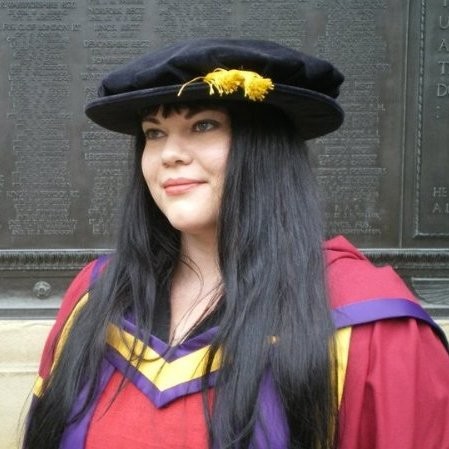
Name: Dr. Lianne Stennett
Doctorate subject area and year of completion: Medicine, 2011
Role and employer: Research Metrics Analyst, University of Leeds Library
Approximate salary bracket for this type of role: £40k – £50k per annum
I was about halfway through my PhD when I realised I didn’t want to be an academic anymore. This was a tough realisation because I had wanted to be an academic ever since I was a child. I loved doing research, but for many reasons, I didn’t like the temporary contract nature of post-doctoral fellowships. I also didn’t like the thought of moving around the UK, or globally, every time my contract was up, potentially waiting years to get a permanent role. I knew I would feel isolated because I’d already emigrated to undertake my MSc and PhD in the UK. When I looked at my values, I realised I valued stability, intellectual challenges and work-life balance. Most of all, I wanted a career where I could support people. I knew there must be a career where I could use the skills I’d learned in my PhD, but at the same time match with my other values. After narrowing it down to two options (patent law and librarianship), I chose librarianship, specifically academic librarianship so I could use my research skills when working with students and staff.
I tried applying for equivalent level roles in academic libraries, but didn’t get far as I didn’t have the qualifications or experience to compete with other candidates. So I took a radical decision to take a significant salary cut to join an academic library at the lowest salary grade and began to work my way up. I remember some of my colleagues in the early days of my academic library career assumed I had only taken the job until I could find a post-doctoral fellowship or lectureship. So I very quickly enrolled on the professional library qualification via distance learning to fit it around my work. I wanted everyone to know that I was there to learn and grow, and that I took my academic library career very seriously. Along the way I joined project teams and applied for secondment opportunities to gain skills and experience in other departments and roles.
I remember at one point in my career I was coming up to 5 years in the same role and I felt like I had stalled. I felt frustrated because I not only had more to give, but I had more to learn beyond the role I was doing. I wanted to transition into management and leadership roles with more focus on strategy and policy, so I made the decision to take a sidestep to another university. I followed this with another sidestep several years later. Both turned out to be great moves. Not only did I learn more, but the roles contributed to my transition goals.
At the time, starting at the bottom seemed like a bit of a career setback, but when I look back now, I’m proud of my squiggly career trajectory because it has all led me to where I am today. All the experience and skills I learned along the way, combined with my research skills, still regularly inform my work.
The research, data and stats experience I gained during my PhD have served me well in my current role as Research Metrics Analyst based in the University of Leeds Libraries. The role involves analysing bibliometric data such as citations, publications, collaborations and benchmarking data. It also involves making sure users of this data know about flaws in underlying datasets and issues with statistical calculations of research metrics to ensure they are used responsibly. This role is no doubt the most visible role I’ve had to date as I often work with research leaders. I have had the chance to serve on and contribute to university-level committees, run related teaching sessions for PGRs and staff and to build the profile of the Library’s Research Analytics Service. I’ve also enjoyed getting involved in Equality, Diversity and Inclusion-related initiatives. Crucially, there is a fantastic team and workplace culture – I feel genuinely valued and respected. I also line-manage and take this responsibility seriously, having completed my Chartered Manager qualification a few years ago.
I have a growth mindset, so professional development is very important to me. In addition to becoming a Chartered Manager, I have also undertaken other post-PhD qualifications, such as a PGCert in Higher Education, a PGDip in Information and Library Science, as well as becoming a Fellow of the Higher Education Academy (FHEA). Many of these were wholly or partially paid for by my employers, which is another wonderful part of working for universities.
As I transitioned through various roles, there was sometimes an element of fear or ‘Imposter Syndrome’, but three pieces of advice I received helped me:
1. Look at the qualifications, skills and experience of colleagues around you in various roles and levels of seniority. If they can do those jobs, why not you?
2. You must own your own career because no one else will.
3. You will never grow in your comfort zone.
I’ve had supporters along the way. My family and friends were incredibly supportive. I also had some managers, senior leaders and colleagues who were fantastic. Recently I sought out a formal mentor through my university’s mentoring scheme. I did this because I wanted to examine gaps in my professional knowledge and experience, and get practical advice on how to plug those gaps. I also attended some career workshops and together these were incredibly useful. I learned a lot and got to view how others might see me. Not only do I now have a great network of talented colleagues, but I have professional advocates who would endorse me and my work when I’m not in the room.
There are many careers that would benefit from research, critical thinking and other transferrable skills that a PhD can provide. If you want to transition outside of academia, I recommend taking time to examine your values to help inform your decision. I was able to do this most recently by attending AdvanceHE’s Aurora Programme. The sessions themselves as well as the pre and post work provided time and space to accomplish this worthwhile exercise. For anyone interested in library careers, look at job descriptions of different library posts (academic, health, law, public, schools, government etc) to investigate the criteria, speak to professionals in the field you’d like to move into and look into a professional library qualification (see the cilip.org.uk website for more information).
 The Auditorium: a research culture and researcher development blog