
Pathfinder Career Narratives is an ongoing series tracking the career choices and experiences of doctoral graduates. You can see all posts in the series here. You can find all of the Pathfinder resources and opportunities here. This post is by Dr Elizabeth Adams, Learning and Development Coach at Scafell Coaching. You can find her on LinkedIn here, or at her website here.
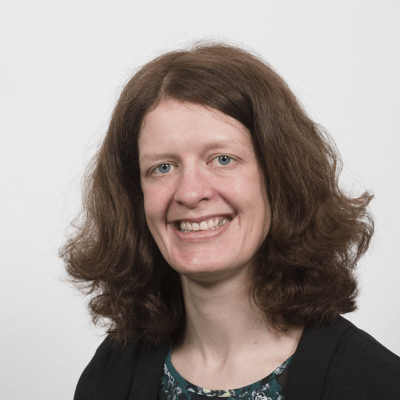
Name: Elizabeth Adams
Doctorate subject area, and year of completion: PhD in Molecularly Imprinted Polymers, 2006
Role: Learning and Development Coach at Scafell Coaching
Approximate salary bracket of this type of role: It depends how much you work!
I loved doing my PhD in Chemistry, but I very quickly realised it wasn’t the chemistry itself that was the draw, but working in a multi-cultural environment with people who are interested in what they do and want to make the world a better place. During my PhD, I was always the first to volunteer for teaching and demonstrating, outreach activities, organising lab social events. For example, I was the representative for the Royal Society of Chemistry. These themes of learning, community, culture and making a difference have been present throughout the rest of my career. The transferable skills I learned during my PhD (organising myself and others, teamworking, teaching, making a case for travel funding, presenting, and so many more) have also helped me in a range of scenarios since then.
I went on to work for the Royal Society of Chemistry Graduate Scheme in their Membership and Education departments for a couple of years, leaving to return to Scotland (I really missed the hills) and start work at the University of Glasgow. I was employed initially as the ‘Skills Training Officer’ and over a period of 14 years the job grew with me, as I started to build a team and the Researcher Development programme. In the later stages, tired of going to meetings where differing agendas almost seemed to be at odds with each other or fighting for airtime (Athena Swan, researcher careers, research integrity etc…), I started to look at Research Culture in a more holistic manner. I wanted to join these initiatives (and the fantastic expertise and passion around them) into a coherent programme of work. I worked alongside some amazing colleagues to establish the University of Glasgow’s Research Culture work, and to lead on and contribute to some national efforts in this area in the UK.
At the start of the pandemic, I moved down to Cumbria. It was an accidental move, mainly to be with my partner and his young son, but a year later I found I was still there, and I decided I wanted to start building a life that was based in the local area. I also felt I’d achieved a lot at the University of Glasgow. It was perhaps time for someone with new ideas to come in as well as for me to go somewhere else, maybe another sector, and get new perspectives myself. That love of learning again!
I was living not far from Sellafield; a decommissioning nuclear power plant which is a major employer in the area. I started working for a tiny company which brokered innovation partnerships between SMEs, academics and large nuclear sites. I got the job through reaching out and making new network contacts and I really enjoyed learning about the challenges of making innovation work in large, highly regulated cultures. I had great colleagues and worked with some fantastic innovators and young companies and some cool technology. However, I found my interest was not so much with the technology itself. I wanted to focus more on the people side of things.
I took a job with a local learning and development consultancy who excel in changing mindsets and cultures within the nuclear sector. I learnt a lot with this organisation and made some great friends. I also hope that I brought innovations and a bit of structure and stability to the operations of a growing organisation. I was the first employee, which was a bit of a rollercoaster at times – everything was done from scratch with no Human Relations department to tell you how to do things. I created many of the templates, policies, systems and processes myself, based on the knowledge I’d built up in my time at the University of Glasgow.
I’m now working for myself as a coach, facilitator, workshop leader and consultant. I’ve worked with universities and academics across the UK and internationally on a range of projects relating to researcher development and research culture. I love that I’m back in a sector I care deeply about, working again in that multi-cultural and multi-disciplinary environment. So far, I’ve really enjoyed the variety of this work and one of the pros of being freelance is that I get to ride my bike when I want. I’m hopeful that continues, and that I can keep a good work-life balance. There’s always a temptation to take on exciting new projects without realising how much ‘hidden’ work there could be in the surrounding admin.
I’m getting better at understanding how long something will take, and I recognise there will be busy periods. My own network of freelancer colleagues has also been incredibly welcoming and helpful, so I’m still getting that sense of community that I feel is important in my career, and lots of learning – and hopefully I’m making a difference too. My number one bit of advice would be to work out what your career values are and to use these as a guide when you are making decisions about where to go next. Articles like this one can give you a handy starting point for that.
 The Auditorium: a research culture and researcher development blog
One thought on “Pathfinder Career Narratives 4: Learning and Development Coach”